Business Name: BeeHive Homes of Enchanted Hills
Address: 6336 Enchanted Hills Blvd NE, Rio Rancho, NM 87144
Phone: (505) 221-6400
BeeHive Homes of Enchanted Hills
BeeHive Homes of Enchanted Hills offers Assisted Living for your loved ones. 24x7 care in the comfort of a private room with bath. Meals are family style and cooked fresh each day. Stop by today and visit, and see why we always say "Welcome Home!
6336 Enchanted Hills Blvd NE, Rio Rancho, NM 87144
Business Hours
Monday thru Sunday: 9:00am to 5:00pm
Instagram: https://www.instagram.com/beehivehomesriorancho/
YouTube: https://www.youtube.com/@WelcomeHomeBeeHiveHomes
TikTok: https://www.tiktok.com/@beehivehomesriorancho
Families normally do not begin looking into memory care from a location of calm. Something has actually occurred. A parent has roamed outside at night, a partner has left a range on, or you realize that every discussion now loops back to the same 3 questions. By the time somebody sits throughout from me to discuss senior care, they are tired, fretted, and usually guilty about even thinking about a move.
The option between a large assisted living community and a small residential home is not merely a matter of price or decor. For individuals dealing with dementia, the scale and structure of the environment have a direct effect on function, behavior, and lifestyle. Over the last years, I have seen small, well run homes silently surpass much larger senior living facilities for numerous people with cognitive impairment.
Not every small home is excellent and not every big building is impersonal. The genuine story lies in how each setting deals with staffing, routines, sensory input, and relationships. Once you understand those elements, the decision becomes clearer.
What "small home" memory care actually means
The terms confuse individuals. Residential care home, board and care, group home, micro neighborhood, adult household home. Depending upon the state, they can all describe essentially the same design: a licensed home in a residential neighborhood, generally with 4 to 12 residents, offering assisted living and often specialized memory care.
The setting looks like an ordinary home from the outside. Inside, personal or semi private bed rooms share common living and dining areas. A small staff supplies 24 hr support with bathing, dressing, medications, meals, and supervision. When dementia is included, that assistance includes help with cueing, redirection, and behavioral signs such as agitation or sundowning.
In contrast, a standard big assisted living or memory care facility may have 40 to more than 100 residents per structure. Rooms frequently line long corridors. There are activity rooms, dining spaces, in some cases several floors, and more layers of administration.
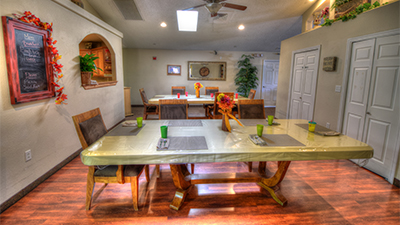
The size difference does more than alter the look of the location. It shapes relationships, regimens, and the way care is delivered, often in ways families do not see throughout a brief tour.
Why environment matters a lot in memory care
People living with Alzheimer's illness, Lewy body dementia, vascular dementia, and related conditions lose not only memories but also executive function, spatial awareness, and stress tolerance. That implies:
They end up being more easily overwhelmed by noise, crowds, and intricate layouts.
They struggle to translate unclear scenarios and faces.
They rely more heavily on routines, sensory cues, and routine.
The physical and social environment can either compensate for these losses or intensify them.
In a very large facility, the constant flow of staff and residents, announcements, televisions, deliveries, and visitors develops a level of background stimulation that a healthy adult can filter out but somebody with dementia frequently can not. For some citizens, this results in withdrawal. For others, it sets off aggressiveness or frantic efforts to leave. Families often presume these habits are the illness alone, when the environment is heavily involved.
In a smaller sized home, there are just less moving parts. Fewer individuals stroll through the living-room. The range from bedroom to cooking area may be twenty steps, not 2 long passages and an elevator. A resident can frequently see the front door, the table, the garden, and the familiar chair all in one visual field. That lowers anxiety and makes it much easier for the person to remain oriented to everyday life.
I have viewed a gentleman who continuously paced and tried to exit in a 90 bed center settle into a pattern of calm walks to the patio area and back in a six resident home. His medication did not alter. The size and predictability of the environment did.
How small homes individualize everyday life
The expression "customized care" shows up in nearly every pamphlet. What it appears like in practice varies dramatically.
In a well run small memory care home, staff understand not just a resident's medical diagnosis and medication list but also the names of their kids, what they liked for breakfast at 40, which music calms them, and how they react when rushed. With just a handful of homeowners, this level of knowledge is not an aspirational objective. It is the only practical method to make it through the day.
Meal preparation uses an easy example. In lots of large centers, food is made in a central kitchen, plated, and served at scheduled times. Personnel have actually restricted flexibility to deviate from the menu or timing. In a small home, personnel might cook outdoors kitchen, permitting residents to smell coffee, hear pans, and view the table being set. For somebody with dementia, that sensory series can spark hunger in a manner a printed menu never will.
Bathing routines tell a comparable story. A caregiver in a big memory care unit might have a fixed variety of locals to shower within a certain shift. If Mrs. Lopez refuses at 7 a.m., there might not be time to return carefully later. A caregiver in a 6 person home can often wait, use a snack, and try again at 9 a.m. When the resident is less afraid. That is what authentic individual centered care looks like: not a motto, however the ability to flex the routine around the person instead of the other method around.
Families sometimes underestimate the value of these small changes. In time, they can imply fewer fights, less need for antipsychotic medications, and even more moments of preserved dignity.
Staffing patterns and why ratios are just the beginning
Ask any sales representative about staffing and you will hear ratios. One employee for 8 homeowners during the day. One for 12 at night. Ratios matter, however they do not inform you how staff are released or what they are anticipated to do.
In a big assisted living community, frontline personnel may turn in between floors or systems. Housekeeping, dining, and caregiving might be different departments. While expertise can bring efficiencies, it also pieces relationships. A resident living with memory loss might see half a lots different team member for various tasks, none of whom see the entire individual across the day.
In a little home, caretakers typically use numerous hats. The person who helps your mother gown might also serve her lunch and sit with her in the afternoon. When that worker notifications that Mom is coughing more while drinking, they can adjust, offer thicker liquids, and signal the nurse or owner without going through numerous layers.
Another key distinction is how staff handle downtime. In large structures, when a resident is quietly viewing television, a caretaker might be designated to charting, equipping products, or assisting somebody two doors down. In smaller homes, there is less documentation and fewer physical miles to cover, so personnel naturally invest more minutes in the shared home. That additional existence frequently equates to spontaneous engagement: folding towels together, singing while setting the table, paging through a picture book. Those unstructured interactions are crucial for preserving function and reducing loneliness.
That said, little homes have vulnerabilities. If a two person graveyard shift loses one team member to illness, the impact is instant. In a corporate center, backup staff float more easily. The very best small homes prepare for this with cross training, on call personnel, and owners who are willing to appear at odd hours. When you examine any setting, ask specifically how they manage abort, emergency situations, and high requirement residents.
Behavioral signs and the quiet advantage of scale
Families often seek memory care after a spike in behavioral signs: roaming, aggressive outbursts, repetitive calling, or extreme nighttime wakefulness. It is simple to assume that a bigger facility with a "customized dementia unit" will be more equipped to handle these challenges.
What I have actually seen repeatedly is that little homes reduce the requirement for high strength intervention in the first place.
Consider roaming. In a structure with multiple hallways and exits, personnel needs to use alarms, coded doors, and regular redirection. For someone with dementia, consistent "No, you can not go there" can feel like imprisonment. In a little residential home with a protected backyard, personnel can often say, "Let us go outside together," then stroll with the person or watch from the kitchen area window. The urge to move is honored, not fought.
For citizens with hallucinations or paranoia, unknown faces and complex social environments amplify distress. I once dealt with a woman with Lewy body dementia who firmly insisted that strangers were residing in her closet. In a 60 bed unit where staff turned typically, this escalated into shrieking episodes. When she moved into an 8 bed home where the same 3 caregivers appeared day-to-day and the closet was clearly visible from her favorite chair, her episodes diminished. Her brain disease did not reverse. The visual and relational predictability enabled her nervous system to settle.
Larger centers can and do supply outstanding behavioral care when they invest greatly in staff training, consistent projects, and ecological design. The obstacle is that their business design typically focuses on occupancy and amenity marketing over deep dementia competence. A small, focused home that confesses just citizens with memory care requirements can focus all of its attention on that population.
When bigger centers may fit better
The image is not one sided. There are circumstances where a bigger assisted living or memory care neighborhood serves a resident much better than a little home.
A resident who is still extremely social, delights in group activities, and requires just light cueing may flourish in a larger setting with a calendar of events, exercise classes, and bus trips. A retired teacher who likes leading discussions may discover a small home too quiet.
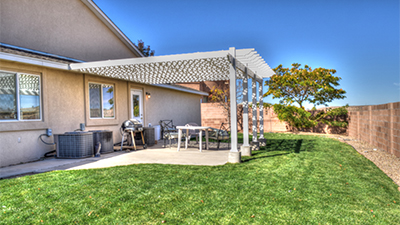
Some big neighborhoods likewise provide on website medical services, rehabilitation centers, or protected memory care neighborhoods attached to skilled nursing units. For locals with complex medical conditions such as frequent IV prescription antibiotics, advanced cardiac arrest, or ventilator dependence, a bigger facility may be the only choice that can satisfy regulative and clinical requirements.
Families with extremely limited financial resources may get approved for Medicaid moneyed beds more easily in larger centers that have official agreements with state programs. Numerous small homes participate too, but not all, and availability can be tight.
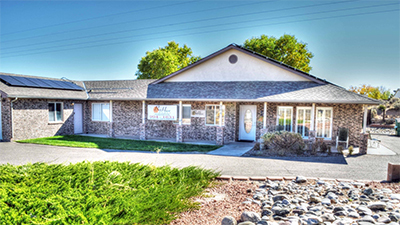
The secret is to match the environment to the individual's existing phase of illness, character, and medical danger, with an eye toward what the next 12 to 24 months may bring.
A clear comparison: how small homes differ in practice
To keep the trade offs concrete, it helps to look at the core differences that matter most in day-to-day life.
Scale and design: Small homes usually have fewer than 12 locals and a basic, residential floor plan. Big facilities might house dozens per system with longer corridors and more complicated navigation. Staffing relationships: In little homes, the exact same caretakers typically help with numerous elements of life, forming deep familiarity. In bigger settings, jobs and groups are more specialized, causing more personnel associated with each resident's day. Sensory environment: Small homes are usually quieter, with less overhead announcements, visitors, and big group events. Big neighborhoods have more activity and stimulation, which can be favorable or overwhelming depending upon the individual. Flexibility of routine: Small homes tend to adjust mealtimes, bathing schedules, and activities around private preferences. Bigger buildings frequently run on repaired schedules to collaborate lots of residents. Amenities and services: Big neighborhoods usually provide more formal programs, on site salons, therapy gyms, and transportation. Little homes concentrate on home style conveniences and individualized engagement over amenities.
None of these points immediately makes one model much better, however together they frequently tilt the balance for individuals with moderate to sophisticated dementia toward smaller environments.
Role of respite care in testing the fit
Many families feel paralyzed by the idea of an irreversible relocation. Brief stays, typically called respite care, can supply a low threat method to test how an individual responds to a brand-new environment.
Respite stays might range from a couple of days to numerous weeks. Good little homes typically book a room for such stays or will momentarily accommodate an individual in a semi personal arrangement. Large assisted living and memory care structures likewise provide respite, often with more structured pricing.
I have actually seen respite care reveal patterns that amazed households. A partner who argued fiercely against positioning at home ended up being calmer and more caring after a 2 week remain in a little memory care home where he might securely walk in and out of the backyard. On the other hand, a lady who was vibrant and outbound at home became withdrawn in a quiet 6 resident home but flowered in a larger community with music classes and a vibrant dining room.
When utilizing respite care as a trial, pay very close attention not just to your loved one's state of mind and habits however also to how staff communicate with you, whether you feel welcome, and how your own stress level changes. If you sleep through the night for the very first time in months, that is data.
Practical signs of quality in a small memory care home
Families often tell me, "We do not understand what we are supposed to be searching for; everything is well staged." You are not anticipated to evaluate like an inspector, but there are a few useful indicators that normally expose the culture of care.
Smell and noise: A faint odor of lunch or cleaning products is regular. Persistent urine or strong ventilating scents signal persistent problems. Listen for how staff react to locals' calls. Sharp, hurried, or scolding tones typically show burnout or understaffing. Staff tenure and presence: Ask, "For how long have your caretakers worked here?" A mix of veterans and newer personnel is fine, however consistent turnover is a warning. Notice whether personnel hang around in the common locations or hide in back rooms when tasks are done. Real interactions, not staged ones: Come by during a non checking out hour if allowed. Look for spontaneous engagement: reading, chatting, folding towels, or just sitting together. If every resident is lined up dealing with a tv, engagement may be shallow. Personalization: Peek at bed rooms (with permission). Do they reflect the individual's life with photos and familiar objects, or do they appear like hotel rooms? In shared areas, exist cues for specific choices, such as preferred chairs or identified drawers? Transparency around care: Ask how they manage falls, hospitalizations, and behavioral problems. An excellent home will describe specific protocols, communication habits, and examples from real situations, not unclear reassurances that "We deal with whatever."Quality in elderly care is not about chandeliers or fresh paint. It shows up in small, constant behaviors and in how a home responds when things do not go as planned.
Cost, licenses, and what households must verify
Cost comparisons between little homes and large assisted living facilities are not straightforward. In lots of markets, personal pay rates for a high quality little home that supplies memory care are similar to or somewhat less than mid level corporate memory systems, with wide variation depending upon location and level of care.
What matters more than the base rate is what is included. Some neighborhoods price quote a fairly low "rent" then include tiered care charges for assistance with bathing, incontinence, transfers, and medication management. Others, often smaller homes, use an all inclusive rate that covers most care requirements but may increase if a resident requires 2 individual transfers or specialized equipment.
From a regulatory viewpoint, little homes are usually licensed under the same classification as bigger assisted living facilities or adult household homes in that state. Do not assume that "home like" indicates informal or uncontrolled. Ask to see the current license, inspection reports, and any deficiency corrections. Lots of states post this info online.
If your loved one might eventually depend on Medicaid or another public payer, clarify whether the home accepts such funding and under what conditions. Some small homes will only accept Medicaid after a certain private pay duration, while others do not get involved at all.
Finally, consider who owns and runs the home. In your area owned homes where the operator is on website frequently can be extremely responsive. Franchise models can likewise work well if the regional operator is strong. The secret is obtainable management that knows the homeowners personally.
The household's function after the move
Moving a parent or spouse to any type of senior care, whether a little home or a larger center, does not end the family's participation. It alters the nature of the work.
In a small memory care home, households frequently become part of the prolonged family. You might sit at the exact same table as other citizens during meals, help decorate for holidays, or bring in old images that spark group discussions. Your observations help personnel tweak regimens. When you share that your mother always folded laundry at 8 p.m. While watching the news, a great caregiver will use that practice to reduce night restlessness.
In a larger facility, households sometimes need to be more purposeful in constructing relationships with key personnel, simply because there are more individuals rotating through. Ask who is primarily responsible for your loved one's daily care and discover their names. Express gratitude when you see good work; caregiving is emotionally demanding, and sincere acknowledgment enhances morale.
Regardless of setting, visit at different times of day. Morning, late afternoon, and early night all show different faces of a facility. Nighttime can be especially exposing in memory care, when guidance and soothing methods are tested.
Balancing head and heart
No model of senior care is ideal. Every choice includes trade offs between safety, autonomy, stimulation, quiet, expense, and distance to family. For someone living with dementia, those trade offs carry even more weight because the environment does a few of the work that the brain can no longer perform.
Small residential elderly care homes are not magic services. A poorly staffed or disordered small home can be worse than a well run, larger memory care community. However when they are attentively designed and effectively handled, little homes use a combination of continuity, simplicity, and genuine personalization that typically aligns carefully with the needs of individuals in moderate to innovative phases of cognitive decline.
If you are weighing options, attempt to hang around in each setting not as a shopper but as an observer of life. Listen to the rhythms. Notification how homeowners take a look at personnel when they go into the space: with relief, with confusion, or with indifference. That unmentioned exchange will tell you more about the quality of elderly care than any brochure.
Above all, bear in mind that relocating to assisted living or memory care, whether in a little home or a large neighborhood, is not a failure. It is a shift in how love and duty are revealed. Your function is not ending; it is progressing into advocacy, connection, and shared decision making with individuals whose job is to help your loved one live as fully and conveniently as possible in the time ahead.
BeeHive Homes of Enchanted Hills provides assisted living care
BeeHive Homes of Enchanted Hills provides memory care services
BeeHive Homes of Enchanted Hills provides respite care services
BeeHive Homes of Enchanted Hills supports assistance with bathing and grooming
BeeHive Homes of Enchanted Hills offers private bedrooms with private bathrooms
BeeHive Homes of Enchanted Hills provides medication monitoring and documentation
BeeHive Homes of Enchanted Hills serves dietitian-approved meals
BeeHive Homes of Enchanted Hills provides housekeeping services
BeeHive Homes of Enchanted Hills provides laundry services
BeeHive Homes of Enchanted Hills offers community dining and social engagement activities
BeeHive Homes of Enchanted Hills features life enrichment activities
BeeHive Homes of Enchanted Hills supports personal care assistance during meals and daily routines
BeeHive Homes of Enchanted Hills promotes frequent physical and mental exercise opportunities
BeeHive Homes of Enchanted Hills provides a home-like residential environment
BeeHive Homes of Enchanted Hills creates customized care plans as residents’ needs change
BeeHive Homes of Enchanted Hills assesses individual resident care needs
BeeHive Homes of Enchanted Hills accepts private pay and long-term care insurance
BeeHive Homes of Enchanted Hills assists qualified veterans with Aid and Attendance benefits
BeeHive Homes of Enchanted Hills encourages meaningful resident-to-staff relationships
BeeHive Homes of Enchanted Hills delivers compassionate, attentive senior care focused on dignity and comfort
BeeHive Homes of Enchanted Hills has a phone number of (505) 221-6400
BeeHive Homes of Enchanted Hills has an address of 6336 Enchanted Hills Blvd NE, Rio Rancho, NM 87144
BeeHive Homes of Enchanted Hills has a website https://beehivehomes.com/locations/enchanted-hills/
BeeHive Homes of Enchanted Hills has Google Maps listing https://maps.app.goo.gl/5LqAWwumxTEeaW5p7
BeeHive Homes of Enchanted Hills has Instagram page https://www.instagram.com/beehivehomesriorancho/
BeeHive Homes of Enchanted Hills has an YouTube page https://www.youtube.com/@WelcomeHomeBeeHiveHomes
BeeHive Homes of Enchanted Hills won Top Assisted Living Homes 2025
BeeHive Homes of Enchanted Hills earned Best Customer Service Award 2024
BeeHive Homes of Enchanted Hills placed 1st for Senior Living Communities 2025
People Also Ask about BeeHive Homes of Enchanted Hills
What is BeeHive Homes of Enchanted Hills Living monthly room rate?
The rate depends on the level of care that is needed. We do a pre-admission evaluation for each resident to determine the level of care needed. The monthly rate is based on this evaluation. There are no hidden costs or fees
Can residents stay in BeeHive Homes until the end of their life?
Usually yes. There are exceptions, such as when there are safety issues with the resident, or they need 24 hour skilled nursing services
Do we have a nurse on staff?
No, but each BeeHive Home has a consulting Nurse available 24 – 7. if nursing services are needed, a doctor can order home health to come into the home
What are BeeHive Homes’ visiting hours?
Visiting hours are adjusted to accommodate the families and the resident’s needs… just not too early or too late
Do we have couple’s rooms available?
Yes, each home has rooms designed to accommodate couples. Please ask about the availability of these rooms
Where is BeeHive Homes of Enchanted Hills located?
BeeHive Homes of Enchanted Hills is conveniently located at 6336 Enchanted Hills Blvd NE, Rio Rancho, NM 87144. You can easily find directions on Google Maps or call at (505) 221-6400 Monday through Sunday 9:00am to 5:00pm
How can I contact BeeHive Homes of Enchanted Hills?
You can contact BeeHive Homes of Enchanted Hills by phone at: (505) 221-6400, visit their website at https://beehivehomes.com/locations/enchanted-hills/ or connect on social media via Instagram TikTok or YouTube
Residents may take a trip to Mountain view Park . Mountain view Park offers accessible paths and seating areas suitable for assisted living, memory care, senior care, elderly care, and respite care strolls.